
Copper Roofs
Stay Compliant & Secure with Copper Roofs by MGR Restoration Service
Copper has a significant role is the architecture of New York through its use in roofs, domes and cladding. Copper roofing has been a popular choice since Roman times due to its durability, water resistance, and appealing appearance. When left untreated, copper develops a green patina—known as Verdigris or antique copper—over time as it reacts with the atmosphere. This transformation from its original metallic sheen to an aged green finish can take many years.
At MGR Restoration we provide copper roof inspection, restoration and replacement services. We have restored and installed copper roofs on churches, schools, courts and many private properties.
Got a project in mind? Let’s chat about bringing your construction vision to life!
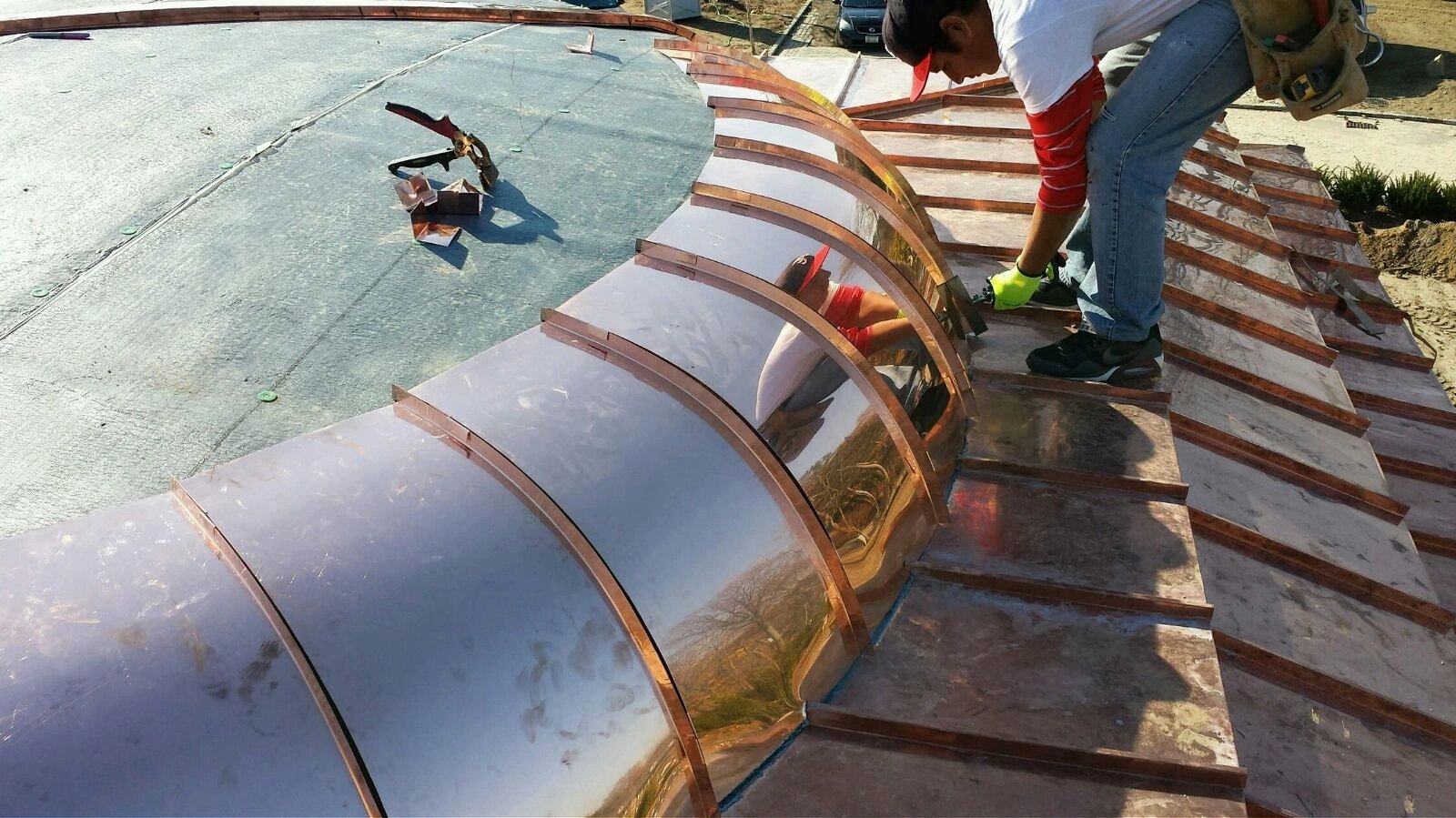
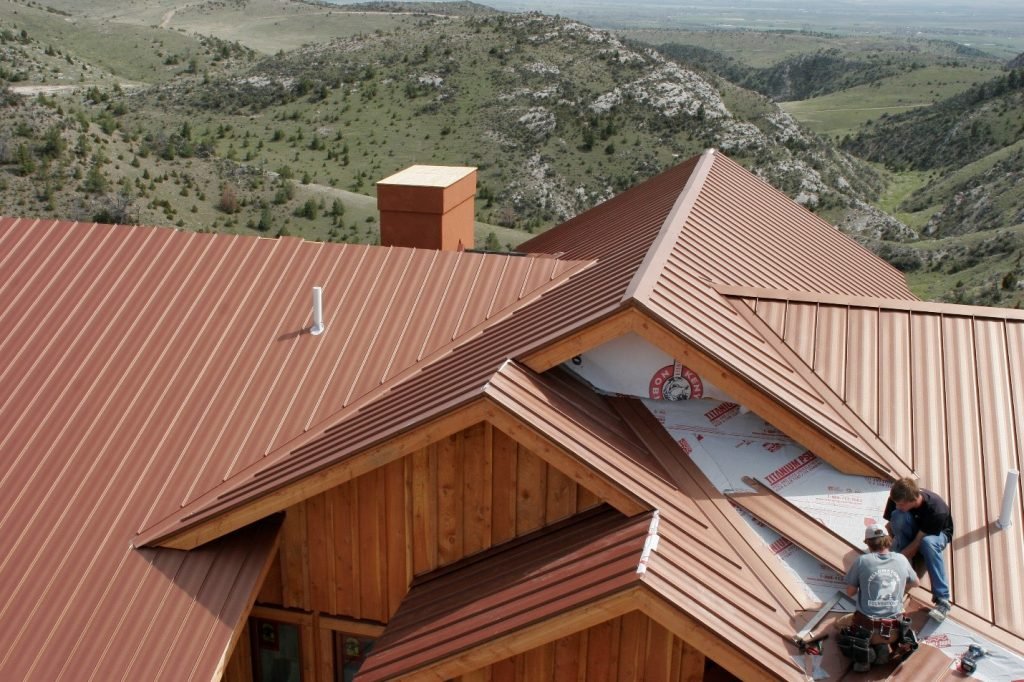
Copper Roof is A Lifetime Investment
A professionally installed copper roof can last for decades, offering exceptional durability and weather resistance.
While initial installation of copper roof may not be the most budget-friendly option, it stands out for its timeless elegance and impressive curb appeal—making it a smart investment for homeowners seeking both style and substance.
Beyond aesthetics, copper roofing systems deliver long-term financial benefits. Their longevity means fewer replacements and repairs, and they can significantly enhance a property’s value.
Copper is low maintenance
For architects and property owners seeking a roofing material that seamlessly blends aesthetic sophistication with long-term performance, copper roofing stands out as a premier choice. While all roofing systems require periodic inspection, copper’s exceptional durability and low-maintenance properties make it an ideal specification for both contemporary and heritage architectural projects.
From a lifecycle cost perspective, copper offers a compelling return on investment. Its longevity—often exceeding 60 years—means fewer replacements and reduced maintenance budgets over time. This makes copper an excellent option for architects focused on sustainable building materials and cost-effective design solutions.
Moreover, copper’s natural antimicrobial and antibacterial properties provide a unique functional advantage. These characteristics inhibit the growth of mold, mildew, and moss, preserving the roof’s integrity and appearance with minimal intervention. This is particularly beneficial in humid or shaded environments where biological growth can compromise other roofing materials.
Frequently Asked Questions (FAQs):
How long does a copper roof last?
When properly installed, a copper roof can last for generations often exceeding 100 years.
Over time, the natural appearance of copper will evolve, gradually developing a green patina. This transformation is influenced by environmental factors such as moisture and air pollutants, making it difficult to predict exactly when or how the color will change. However, it’s likely that the roof will eventually take on a distinctive greenish hue, adding character and further protection to the structure.
What are the benefits of using copper roofing?
Copper is renowned for its exceptional durability and natural resistance to water, making it a reliable choice for roofing. Its legacy as a roofing material dates back to BC, when it was used on the Pantheon lasting over a thousand years!
Copper is corrosion-resistant, highly malleable for shaping complex roof designs, and 100% recyclable, making it not only a long-lasting but also an environmentally responsible option for metal roofing.
How long will it take for the copper roof to turn green?
Exposure to the atmosphere gradually transforms copper roofing from its original bright pinkish hue to the iconic Verdigris green.
This color change typically occurs over 20 to 30 years, though the final shade can vary depending on environmental conditions such as moisture and air pollutants. Before reaching its green patina, copper undergoes a rich cycle of color changes—including shades of brown, chocolate, plum, purple, and even black making each roof’s aging process unique and visually dynamic.
Can copper roof sheets be aged to speed up the change to green?
Are there different types of copper used in roofing?
Copper used in roofing comes in various types, each suited to specific applications based on its hardness and properties.
Hard copper, such as cold-rolled copper, is typically used for roofing panels due to its strength and durability. Softer copper is preferred for flashings and decorative elements, where flexibility is key. Other specialized forms include deoxidized copper, ideal for welding applications, and lead-coated copper, which offers compatibility with certain building materials and added resistance to corrosion.
What are the disadvantages of copper roofing or cladding?
Copper roofing, while highly durable and visually striking, comes with a few considerations.
Due to its high value, copper can be a target for theft — especially during the installation phase. As a premium material, it may not be the best fit for projects with tight budgets.
Additionally, copper is reactive with certain metals like galvanized steel and aluminum. These materials should not come into direct contact with copper, so careful planning and material selection during the design and development stages is essential to avoid compatibility issues.