
Brick Pointing & Repointing NYC
If you own or manage a brick building in New York City, few maintenance tasks carry more urgency than brick pointing and repointing. The mortar joints between your bricks are not decorative — they are structural. When they deteriorate, water infiltrates. When water infiltrates, the damage compounds fast: spalling bricks, interior leaks, structural movement, and Local Law 11 violations.
At MGR Restoration Service, we combine traditional craftsmanship with modern precision to deliver exceptional slate roof replacements. With over 25 years of experience, our team ensures each project reflects timeless beauty, durability, and historical integrity.
Got a project in mind? Let’s chat about bringing your construction vision to life!
Our Expertise Includes
What Is Brick Pointing and Repointing?
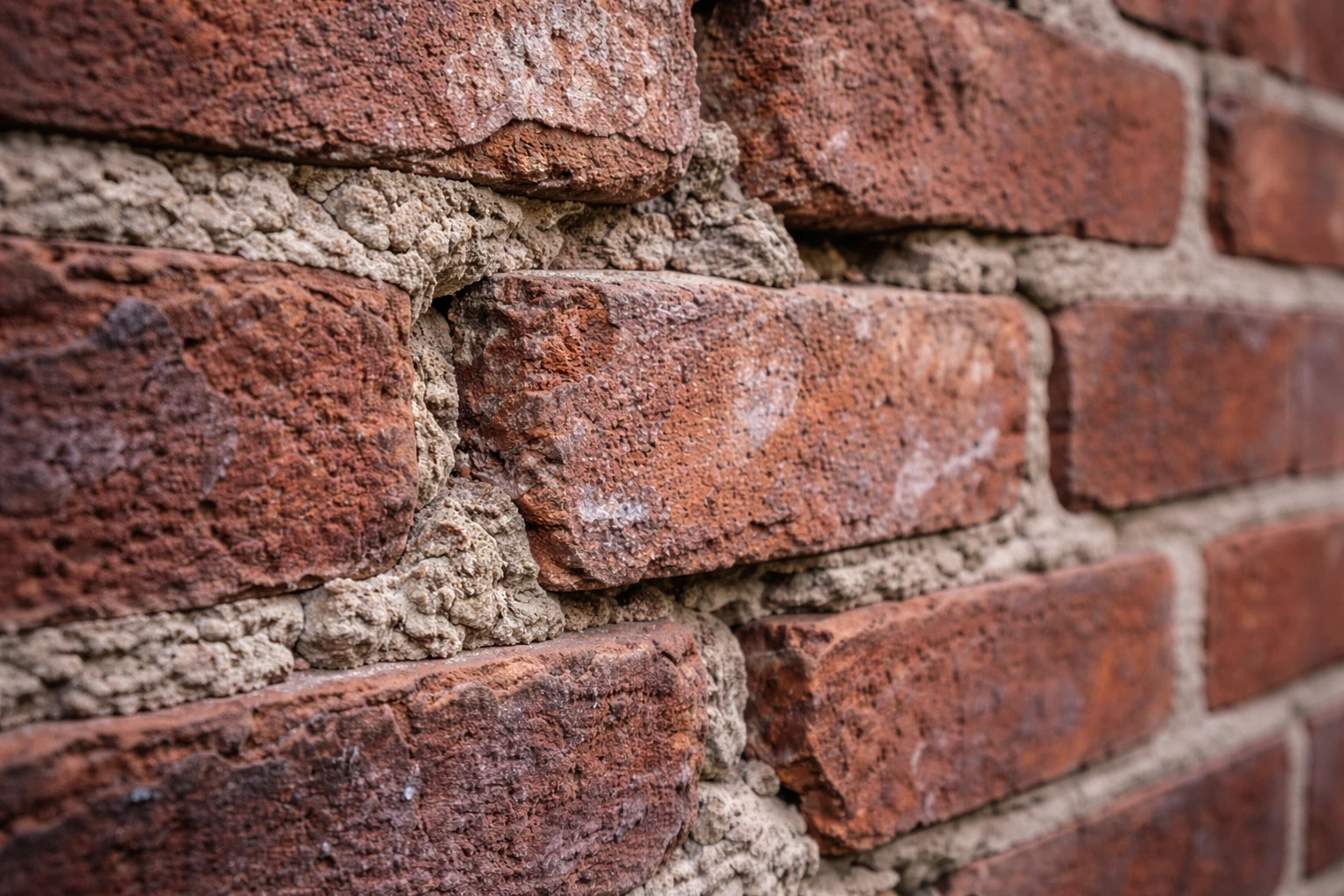
Brick pointing — also called repointing or tuckpointing — is the process of removing deteriorated mortar from the joints between bricks and replacing it with fresh mortar. The old mortar is carefully raked or cut out — typically to a depth of ¾ inch to 1 inch — and new mortar is packed and tooled into the joint to match the existing profile and color.
Mortar is softer than brick by design. It is the sacrificial element in any masonry wall — built to absorb movement, moisture cycling, and freeze-thaw stress so the bricks themselves remain undamaged. Over decades, this sacrifice takes its toll: the mortar crumbles, cracks, or recedes below the brick face. Repointing restores the joint’s integrity without disturbing the surrounding masonry.
This is not cosmetic maintenance. A properly repointed wall is weathertight, structurally sound, and far more resistant to water damage than one with failing joints. In New York City’s climate — wide temperature swings, heavy rainfall, and harsh freeze-thaw cycles — the condition of your mortar joints directly determines the long-term health of your building’s exterior.
Signs Your Building Needs Brick Repointing
Most building owners do not notice mortar deterioration until it becomes a visible problem. By the time mortar is visibly crumbling or receding, water infiltration has typically already begun. Watch for these warning signs:
- Recessed or hollow-sounding mortar joints — Run a key along the joint. If it rakes out easily or sounds hollow when tapped, the mortar has failed internally.
- Cracked or crumbling mortar — Visible cracks, especially diagonal or step cracks, indicate movement and stress in the wall.
- White staining (efflorescence) — White salt deposits on brick faces are caused by water moving through failing joints and depositing minerals on the surface.
- Spalling bricks — When water gets behind bricks and freezes, it forces the face of the brick to pop off. This usually means adjacent joints have been failing for years.
- Interior damp spots or leaks near exterior walls — Water appearing on interior walls near windows, parapets, or cornices often traces back to failing mortar joints on the exterior.
- Vegetation growing from joints — Moss, weeds, or roots indicate deep moisture penetration and severely degraded mortar.
- Local Law 11 violation notices — Unsafe façade citations from NYC DOB frequently cite deteriorated mortar joints as the primary deficiency, with mandatory repair deadlines.
NYC Local Law 11 Note: Buildings over six stories in New York City are required to undergo FISP (Façade Inspection Safety Program) inspections under Local Law 11. Deteriorated mortar joints are the most commonly cited deficiency in Unsafe façade reports, and must be repaired within 90 days of an Unsafe designation. MGR Restoration is certified to perform Local Law 11 repairs citywide.
Pointing, Repointing & Tuckpointing — What's the Difference?
These terms are used interchangeably by NYC contractors and building owners. Here is what each technically means — and why the terminology matters less than the specification:
Repointing (the standard term)
The industry-standard term for removing and replacing mortar joints in existing masonry. Applies to brick, stone, block, or any mortared material. This is the correct term for maintenance and repair work on existing NYC buildings.
Tuckpointing (a specific technique)
Technically, tuckpointing refers to a decorative technique where two contrasting mortar colors are used — a base mortar to fill the joint, then a thin contrasting putty line applied over it to simulate fine joints. Common on historic buildings. In everyday NYC trade usage, tuckpointing is often used loosely to mean any repointing work.
What actually matters: the mortar specification
Whether a contractor calls it pointing, repointing, or tuckpointing — what matters far more is the mortar specification. The new mortar must match the compressive strength, composition, and color of the original. Using mortar that is too hard (excess Portland cement) is the most common and most damaging mistake in NYC pointing work. It causes bricks to crack and spall, turning a repair into a much larger problem.
Our Brick Pointing Process
The difference between a repointing job that lasts 30 years and one that fails in 3 comes down to preparation, material selection, and execution. Here is how MGR Restoration approaches every pointing project:
- Inspection & mortar analysis
We begin with a thorough assessment of the existing masonry — probing joints, identifying failure patterns, and on historic buildings, analyzing the original mortar composition to ensure our mix matches the existing material in both strength and appearance.
- Joint preparation — the critical step
Old mortar is removed to a minimum depth of ¾ inch using angle grinders with diamond blades or, on delicate historic masonry, hand chisels. Mechanical removal is precise and controlled to avoid damaging brick edges. Undercutting the joint ensures a strong mechanical bond for the new mortar.
- Mortar specification & mixing
We specify and mix mortars to match the original in compressive strength — Type N for most residential and historic masonry, Type S where greater structural strength is required — and color. Using the wrong mortar hardness is the most common error in NYC repointing work and the primary cause of long-term brick damage.
- Packing & tooling
New mortar is packed into the joint in layers and tooled to match the original joint profile — whether that is flush, concave, raked, or weathered. Tooling compresses the mortar firmly against the brick faces, creating a tight, watertight seal.
- Curing & protection
Fresh mortar is kept moist during curing and protected from direct sun and rain for the first 72 hours. Proper curing is essential to achieving full mortar strength and preventing premature shrinkage cracking.
- Final inspection & documentation
On Local Law 11 projects, we provide full FISP documentation and qualified inspector sign-off. On all projects, we perform a final walkthrough with the building owner or manager before completing the work.
Brick Pointing Services Across NYC's Five Boroughs
MGR Restoration provides brick pointing, repointing, and tuckpointing services across all five New York City boroughs. Our teams work on residential brownstones, commercial façades, institutional buildings, landmark structures, and multi-family residential buildings.
- Manhattan — High-rise façades, co-ops, condos, landmark and pre-war buildings, Local Law 11 compliance work
- Brooklyn — Brownstones, row houses, Park Slope and Carroll Gardens masonry, commercial façades
- Queens — Residential and multi-family brick buildings, mixed-use properties
- Bronx — Apartment buildings, institutional masonry, mixed-use and commercial properties
- Staten Island — Residential repointing, single-family and multi-family brick repair
We are based in Woodside, Queens — centrally located for fast response across all five boroughs. Our teams are experienced with the specific masonry types, building ages, and local regulatory requirements common to each borough, from pre-war Bronx apartment buildings to the cast-iron and brownstone façades of Manhattan and Brooklyn.
Why Proper Mortar Repair Matters in NYC
New York City’s climate is uniquely demanding on exterior masonry. Average annual rainfall exceeds 46 inches. Winter temperatures regularly drop below freezing. The freeze-thaw cycle — water entering failing joints, freezing, expanding, and forcing cracks wider — repeats dozens of times each winter. Combine this with the thermal cycling of large dark masonry façades and the wind-driven rain off the harbor, and NYC presents some of the harshest conditions for brick mortar in the country.
The cost of delaying repointing work:
- Spalling bricks — Once water penetrates behind the brick face and freezes, the face separates. Brick replacement costs 5–10× more than repointing the same area.
- Interior water damage — Infiltration through failing joints leads to damp interior walls, damaged plaster, and mold — often traced back only after expensive interior repairs.
- Structural deterioration — Severely deteriorated mortar across large wall areas can reduce a wall’s structural capacity and lateral stability over time.
- Local Law 11 violations — Unsafe façade designations carry mandatory repair deadlines, scaffolding requirements, and DOB fees that far exceed the cost of proactive maintenance.
Property value impact — Visible masonry deterioration affects property assessments, insurance ratings, and buyer due diligence findings.
Why Choose MGR Restoration for Brick Pointing in NYC?
There is no shortage of masonry contractors in New York City. Here is what distinguishes MGR Restoration:
- 20+ years of NYC masonry experience — We have pointed brick on buildings ranging from Park Slope brownstones to the Chrysler Building. That experience means we recognize problems early and solve them correctly.
- Correct mortar specifications, every time — We analyze and match original mortar compositions rather than defaulting to a single mix. This is the single most important technical factor in a lasting repair.
- Local Law 11 / FISP certified — We complete both the repair work and the required façade inspection documentation, saving building owners the cost of a separate inspection firm.
- Historic and landmark building experience — We have worked on NYC Landmarks Preservation Commission (LPC) designated buildings and understand the documentation, material specifications, and approval processes involved.
- Free, detailed written estimates — No vague quotes. We provide itemized written estimates so you understand exactly what work is proposed and why.
- Fully licensed and insured — NYC DOB registered, fully insured for general liability and workers’ compensation.
Frequently Asked Questions (FAQ):
How much does brick pointing cost in NYC?
Brick pointing costs in NYC typically range from $15 to $35 per linear foot of joint, depending on building height, the extent of deterioration, mortar specification requirements, and scaffold or access needs. A typical brownstone façade repointing project ranges from $3,000 to $12,000. High-rise buildings with Local Law 11 requirements will be higher due to scaffolding costs. MGR Restoration provides free, detailed written estimates for all projects — call 718-240-0000.
How long does brick repointing last?
Properly executed brick repointing using the correct mortar specification should last 20 to 30 years in NYC conditions. The key factors are joint preparation depth (minimum ¾ inch), correct mortar strength, and proper curing. Repointing done with the wrong mortar — particularly mortar that is too hard — can begin to fail in as little as 5 years and will damage surrounding brickwork in the process.
What is the difference between pointing and tuckpointing?
In everyday NYC contractor usage, pointing, repointing, and tuckpointing all refer to the same repair — removing deteriorated mortar and replacing it. Technically, tuckpointing refers to a decorative two-color mortar technique common on historic Georgian and Victorian masonry. For most repair projects, what matters is the mortar specification, not which term is used.
Can brick pointing be done in winter in New York City?
Repointing requires air and surface temperatures above 40°F for proper mortar curing, which limits outdoor work roughly from April through November in NYC. Emergency Local Law 11 repairs in winter can be completed using temporary heating enclosures, but this adds significant cost. We recommend scheduling repointing work in spring or fall to avoid both winter temperature restrictions and summer heat that accelerates drying too quickly.
Does brick repointing require a NYC permit?
Routine repointing of mortar joints does not generally require a NYC DOB permit. However, work performed in connection with a Local Law 11 Unsafe façade designation must be performed by a registered contractor and documented by a qualified façade inspector. Work involving scaffolding or suspended platforms requires separate permits. MGR Restoration handles all necessary permits and FISP documentation on every project.
How do I know if I need Local Law 11 repointing or regular maintenance?
Local Law 11 (FISP) applies to buildings taller than six stories and requires façade inspections every five years. If your building receives an Unsafe designation, repairs are mandatory and time-sensitive. Regular maintenance repointing — proactively repairing failing joints before they trigger a violation — is always less expensive and less disruptive. MGR Restoration can inspect your building’s masonry and advise on the appropriate approach.