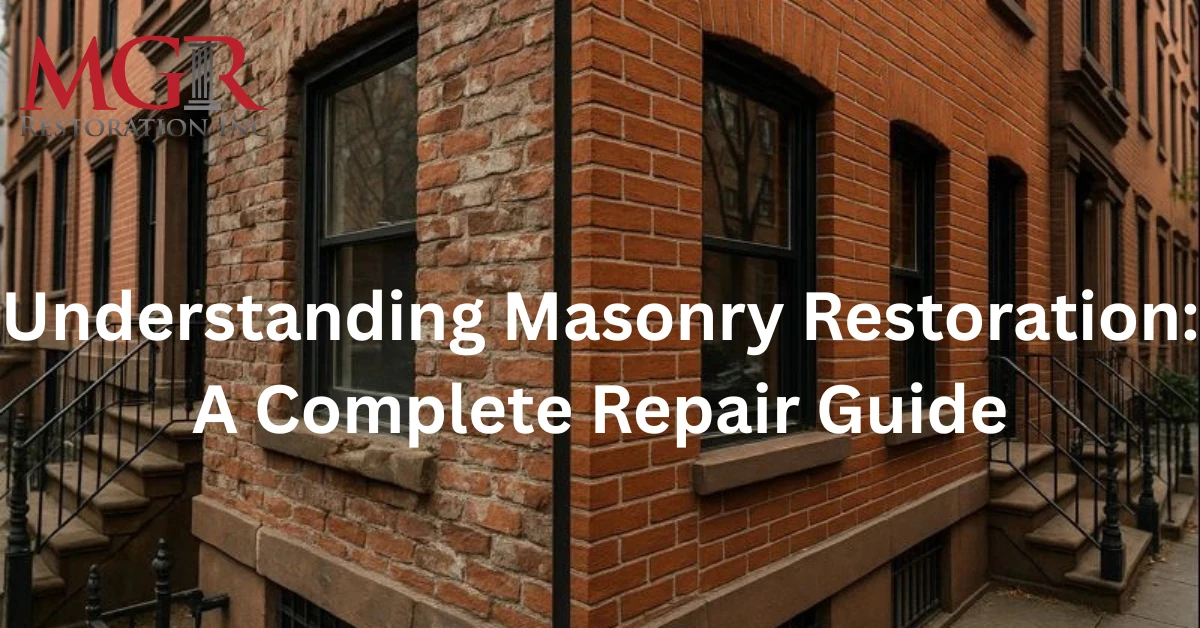
Masonry restoration keeps brick, stone, and concrete buildings strong and beautiful. It fixes damage from weather, age, and wear. This guide explains everything you need to know. You will learn common problems, repair steps, and how to prevent issues. Proper restoration saves money and protects your property.
At MGR Restoration, we specialize in masonry work across New York. Our team has years of experience restoring buildings safely and correctly.
What Is Masonry Restoration?
Masonry restoration repairs and preserves structures made from brick, stone, terra cotta, or concrete block. It goes beyond simple fixes. It addresses root causes like water damage or weak mortar.
Restoration maintains structural strength and original look. It is key for historic buildings and modern ones too. Without it, small problems turn into big, expensive ones.
Many older buildings in New York face these issues due to harsh winters and city pollution.
Common Signs Your Masonry Needs Repair
Spot problems early to avoid costly damage. Look for these signs:
- Cracks in bricks or stones
- Crumbling or missing mortar joints
- Bulging or leaning walls
- Water stains or efflorescence (white powder on surfaces)
- Spalling (flaking or chipping of brick/stone faces)
- Loose or falling pieces
These often come from freeze-thaw cycles, poor drainage, or settling foundations. In New York, salt from roads speeds up deterioration.
Causes of Masonry Damage
Damage happens over time. Main causes include:
- Water infiltration: Rain or snow seeps in, freezes, and expands.
- Weather exposure: Wind, sun, and temperature changes wear materials.
- Poor original construction: Wrong mortar type or no waterproofing.
- Vegetation growth: Roots from vines or trees crack walls.
- Structural movement: Settling ground or nearby construction.
Addressing causes during restoration prevents future problems.
Key Masonry Restoration Techniques
Professionals use proven methods. Here are the most common:
Repointing (Tuckpointing)
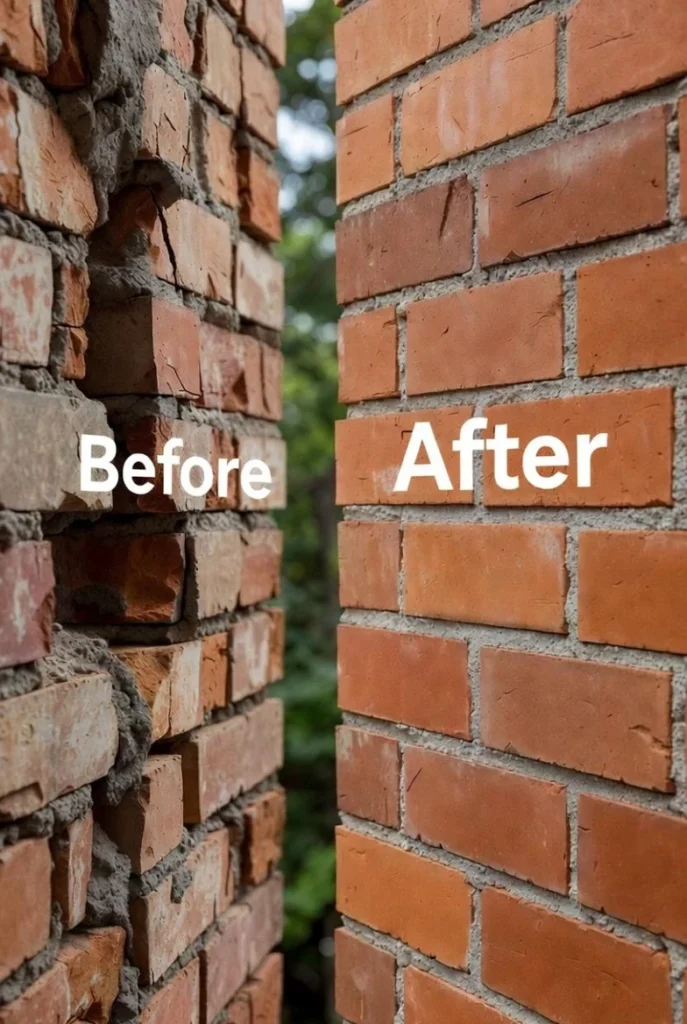
Remove old, damaged mortar and replace with new. Match the original color and strength.
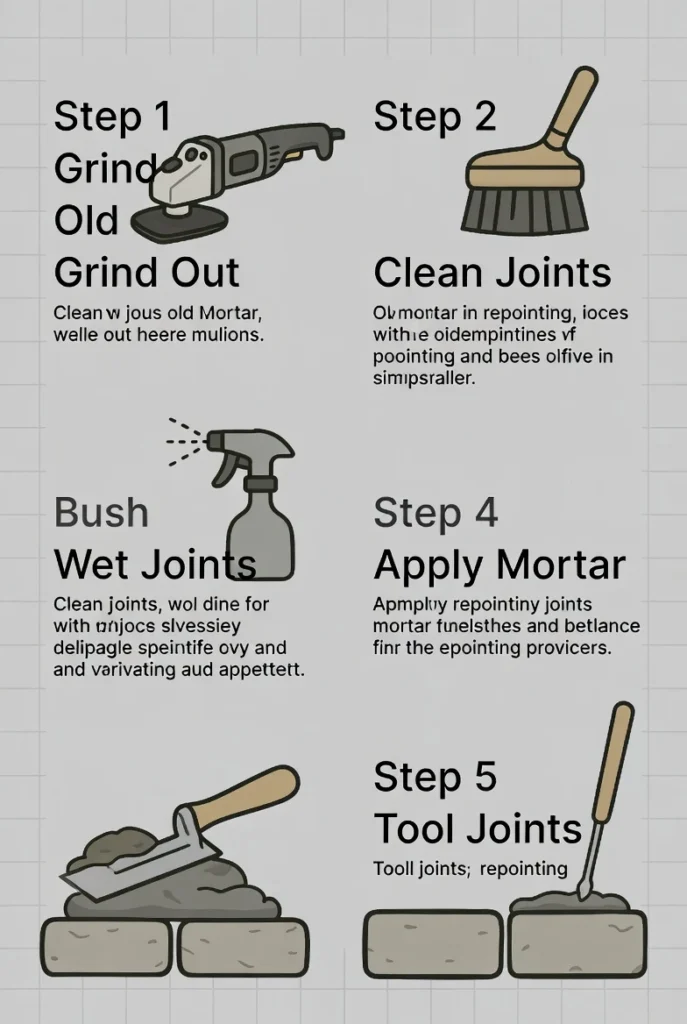
Steps:
- Grind out loose mortar carefully.
- Clean joints.
- Apply compatible new mortar.
- Tool joints for weather resistance.
This strengthens walls and stops water entry.
Brick or Stone Replacement
Swap out severely damaged units. Source matching materials for seamless look.
For historic buildings, use reclaimed bricks when possible.
Crack Repair and Patching
Fill cracks with flexible sealants or compatible patches. This restores integrity without visible scars.
Cleaning
Remove dirt, paint, or stains gently. Use low-pressure water or chemical poultices. Avoid sandblasting—it harms soft bricks.
Waterproofing and Sealing
Apply breathable sealants. They block water but let moisture escape.
Structural Reinforcement
Add helical ties or anchors for unstable walls.
The Step-by-Step Masonry Restoration Process
A professional project follows these stages:
- Inspection and Assessment Experts examine the building. They note damage and test materials.
- Planning and Material Matching Choose compatible mortars and units. For historic sites, follow preservation guidelines.
- Preparation Protect areas and set up scaffolding safely.
- Repairs Complete repointing, replacements, and cleaning.
- Finishing Apply sealants and clean up.
- Final Check Ensure everything matches and works.
Projects take weeks to months, depending on size.
Benefits of Professional Masonry Restoration
- Improves safety by fixing weak structures
- Boosts property value and curb appeal
- Saves energy—sealed walls insulate better
- Preserves history for future generations
- Prevents bigger repairs later
In New York, restored buildings often qualify for tax credits if historic.
DIY vs. Professional Restoration: When to Call Experts
Small tasks like minor cleaning can be DIY. But most work needs pros.
Call experts for:
- High or large areas
- Structural issues
- Historic buildings (wrong methods cause permanent damage)
- Matching old materials
MGR Restoration follows industry standards. We use experienced teams for safe, lasting results.
Preventing Future Masonry Damage
Maintenance is easier than repair. Tips:
- Inspect yearly, especially after winter
- Clean gutters and ensure good drainage
- Remove vines and plants promptly
- Apply sealant every 5-10 years
- Fix leaks quickly
Regular care extends building life.
Costs and What to Expect
Costs vary by damage extent and building size. Small repointing: $5-15 per square foot. Full facade: thousands.
Get multiple quotes. Choose based on experience, not just price.
At MGR Restoration, we offer free inspections in New York areas.
Why Choose MGR Restoration for Your Project
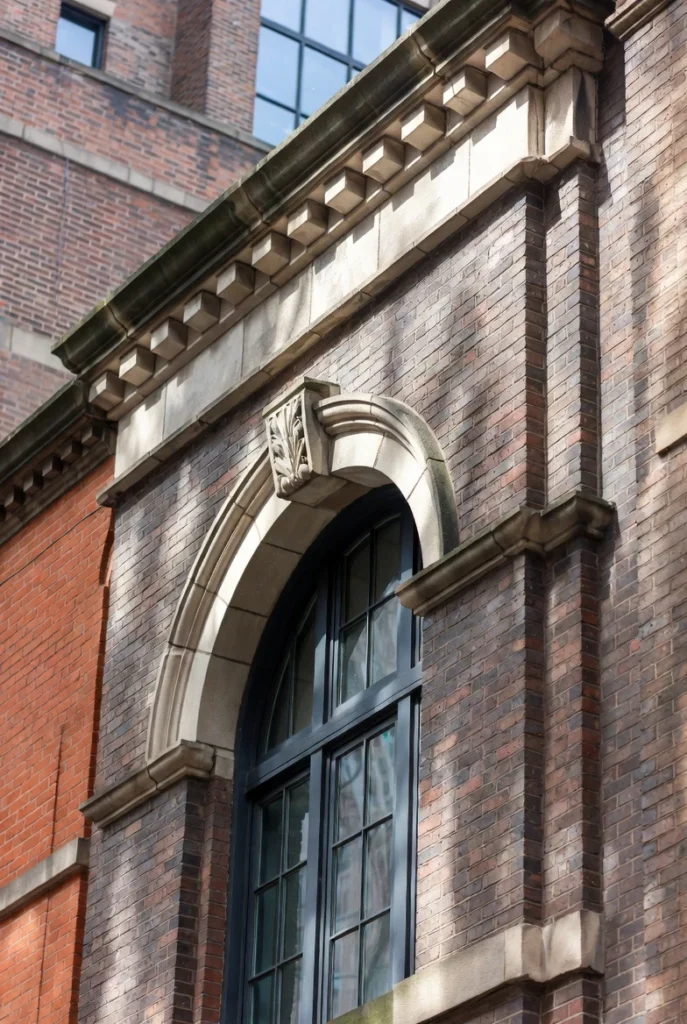
We bring expertise to New York masonry challenges. Our team handles everything from brownstones to commercial facades. We focus on quality, safety, and customer satisfaction.
Contact us today for a free assessment. Protect your building—restore it right.